

Subscription Fatigue in 2026
Why Creators Are Moving Beyond Monthly Subs

Key Takeaways
Here is a quick summary of the most important points:
- Monthly subscriptions create constant posting pressure and faster burnout.
- Fans increasingly prefer pay-as-you-go over another recurring charge.
- For most creators, individual sales are simpler and more profitable.
- The next wave is niche, flexible, and built around buyer intent.
The modern creator economy was built on subscriptions. From Patreon to OnlyFans, the promise was simple: fans pay monthly, creators earn predictable income.
But in 2026, that model is showing cracks.
Subscription fatigue is hitting both sides. Creators burn out trying to justify recurring payments, and fans keep cutting non-essential monthly charges. A model that once felt empowering now often feels exhausting.
Here’s why subscriptions are losing momentum — and why individual content sales are gaining ground.
Why Subscriptions Burn Out Creators
When OnlyFans exploded in 2020, it felt revolutionary. Direct monetization, no algorithm gatekeeping, and a clear path to recurring revenue.
But here's what nobody warned creators about: a subscription is a promise.
A $10 monthly subscription means fans expect $10 of fresh value every month. That creates a treadmill:
- Miss a week? Cancellations rise.
- Post something weaker than usual? "Not worth it."
- Take time off? Revenue drops fast.
The result is predictable: burnout. A 2025 Influencer Marketing Hub survey reported that 71% of full-time creators experienced burnout, with constant production pressure as the top cause.
For many creators, subscriptions turned creative freedom into a content factory.
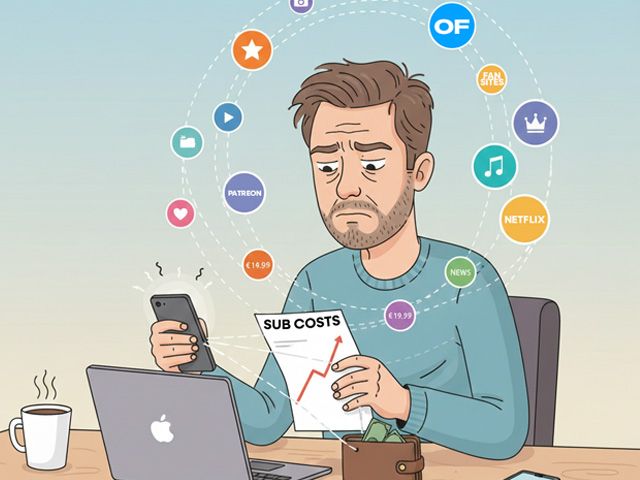
Fans Are Tired of Subscription Stacking
Creators aren’t the only ones under pressure. Fans are overloaded too.
Netflix. Spotify. YouTube Premium. iCloud. Patreon. Fansly. OnlyFans. And half-forgotten memberships they keep meaning to cancel.
The average consumer now pays for 8–12 active subscriptions, and the list keeps growing. Something gets cut and creator subscriptions are often first.
Why? Because unlike Netflix or Spotify, a single creator subscription often feels like a gamble:
- "Will they post enough this month?"
- "Is it going to be content I actually want?"
- "Do I really need another $15/month commitment?"
When fans choose between a major utility subscription and a single creator sub, the creator usually loses. Not because the content is bad, but because the commitment feels uncertain.
Why the Subscription Math Fails Most Creators
Here’s the uncomfortable truth: subscriptions work best for top-tier creators with scale.
Consider a creator with 500 Instagram followers who decides to launch an OnlyFans:
- Maybe 5% convert to subscribers (that's optimistic): 25 subscribers
- At $9.99/month: $249.90 gross revenue
- After the platform's 20% cut: $199.92/month
- After taxes (varies, but let's say 30%): ~$140/month
For roughly $140 net, that creator is expected to publish frequently, handle DMs, run promos, and market nonstop to fight churn.
That’s not a reliable business model for everyone.
Meanwhile, those same fans might happily pay $5 for a specific photo set or $15 for one custom video clip. Subscription paywalls force an all-or-nothing decision that pushes many buyers away.
Why Individual Content Sales Work Better
The alternative is simple: pay for exactly what you want.
Think about music. Subscriptions serve casual listening, but devoted fans still buy vinyl, live tickets, and limited editions. They spend more per item because each purchase feels intentional.
Creator sales work the same way:
For Fans:
- No commitment. Buy one photo set for $3. If it hits, buy again. If not, no lock-in.
- No subscription guilt. No recurring charge. No awkward cancel decision.
- More targeted buying. Fans pay for what matches their preferences.
For Creators:
- No treadmill posting. Publish when quality is high, not because a renewal date is near.
- Higher quality per sale. Three $5 purchases over three months still equals $15, but without constant output pressure.
- Less churn stress. No monthly cliff. A completed sale is secured value.
- Better for smaller audiences. You don’t need hundreds of subscribers, just a core group of loyal buyers.
The Rise of À La Carte Creator Commerce
This shift is already underway, but tooling is still catching up.
On X or Telegram, creators often run storefronts through timelines and DMs. It can work, but it’s messy: weak checkout flow, limited protection, poor analytics, and disputes handled manually. And scammers everywhere!
Worn-item sellers face the same issue. This is naturally an individual-sale market: buyers want a specific item, from a specific creator, with specific context. Subscriptions rarely fit that behavior.
Many creators are still forcing this business into subscription-first platforms. Tools that were never designed for how buyers actually purchase.
What a Modern Creator Platform Should Offer
If we designed a creator platform from scratch in 2026, without subscription-era baggage, it would look very different:
1. Individual sales by default. Every piece of content is independently priced and purchasable. No paywall that locks everything behind a monthly fee.
2. Built-in physical item support. Not just photos and videos. Worn items, custom requests, personalized goods. The creator economy is bigger than just digital content.
3. No creator-side platform tax. The 20% cut that platforms like OnlyFans take made sense when they were the only game in town. In 2026, it's a relic. Platforms should earn from buyer-side fees, not by taxing creators.
4. No content quota pressure. Post when you want. Sell what you want. The platform shouldn't penalize you for taking a week off.
5. Niche-first product design. Not every creator fits into the "general adult content" box. Niche communities deserve platforms that understand and cater to their specific needs.
Subscriptions Aren’t Dead — They’re Just Not Default
Subscriptions won’t disappear. For high-volume creators with large audiences, they can still work and provide predictable revenue.
But for most creators, especially beginners, niche creators, and physical-item sellers, subscriptions are often a barrier, not an advantage.
The next era isn’t one-size-fits-all. It’s hybrid, with individual sales playing a much larger role.
The creators who win in 2026 and beyond won’t be the ones who post the most. They’ll be the ones who deliver the most relevant value — and sell in a format buyers actually prefer.
Bottom Line
If you’re stuck on the subscription treadmill, ask yourself:
- Are fans subscribing because they want everything you publish, or because it’s the only buying option?
- Would part of your audience rather buy individual pieces than commit monthly?
- Are you creating from strategy and quality, or from renewal pressure?
The answers might surprise you.
The “subscribe to unlock” era is cooling off. The “buy what you love” era is accelerating.